PMI · Application

Positive Material Identification (PMI)

Quick, non-destructive composition analysis. XRF for most alloys, OES for carbon-bearing steels, LIBS for the lightest elements.

Positive Material Identification (PMI) is a quick, non-destructive analysis technique to determine the composition of materials — especially alloys and crystalline structures. There are three main PMI techniques used to measure product and determine the constituents of materials.
Techniques

Methods used in PMI

XRF

X-Ray Fluorescence

  • Metal alloy verification
  • Lead paint analysis
  • Soil contaminant screening
  • Scrap metal sorting
OES

Optical Emission Spectrometry

  • Carbon content measurement (low-level C)
  • Steel grade verification
  • Detecting elements XRF can't see (Be, Li, B)
LIBS

Laser-Induced Breakdown Spectroscopy

  • Lightest-element detection (H, Li, Be, B, C)
  • Carbon equivalency for weld procedures
  • Field alloy verification with no radiation source
Equipment

Tools we deploy for PMI

Full PMI catalog
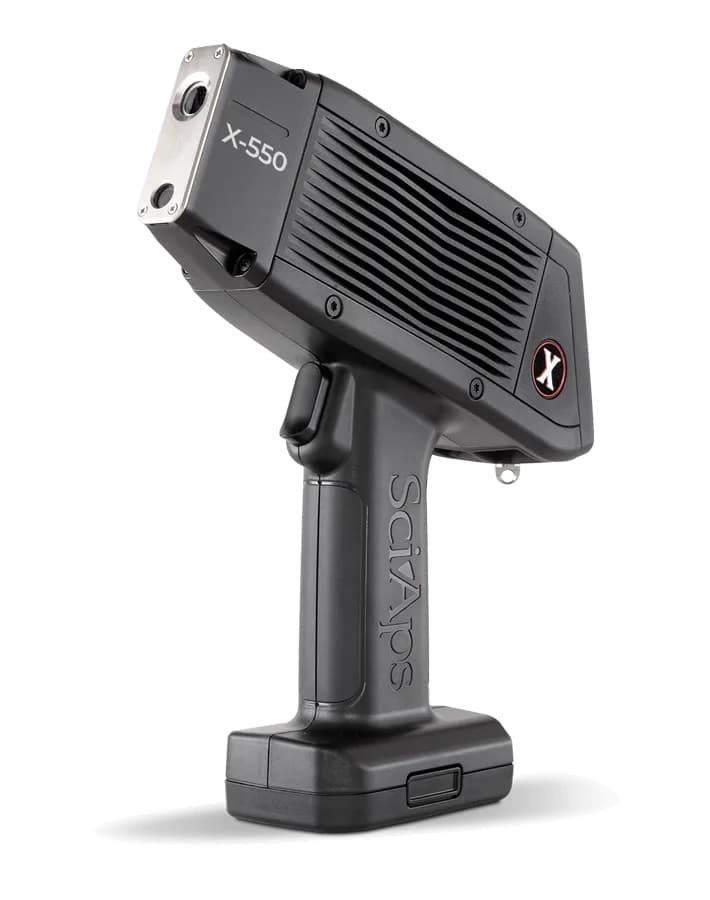
SciAps X-550 XRF Analyzer

SciAps

SciAps X-550 XRF Analyzer

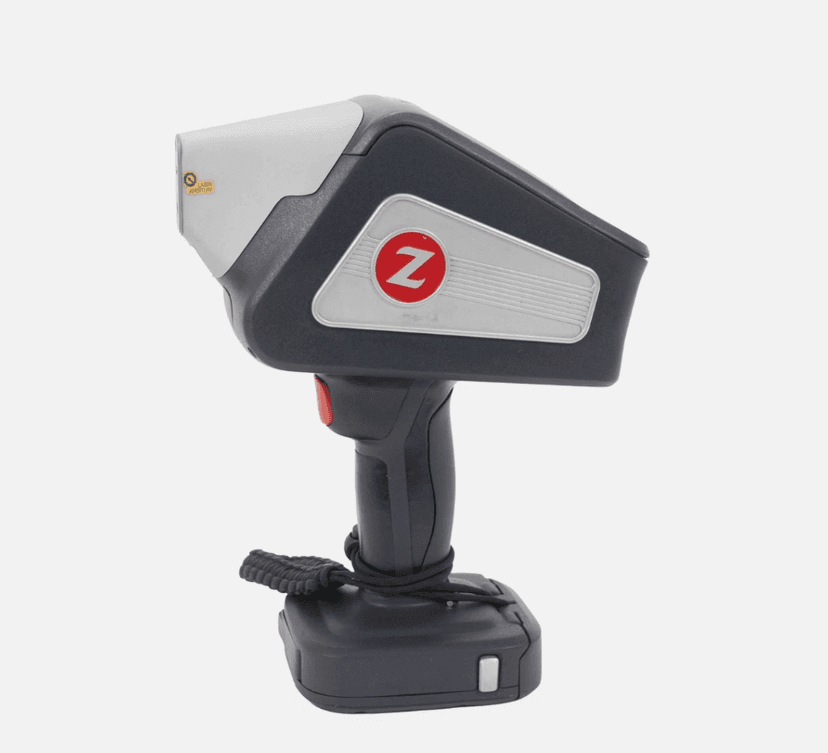
SciAps Z-200 Handheld LIBS

SciAps

SciAps Z-200 Handheld LIBS

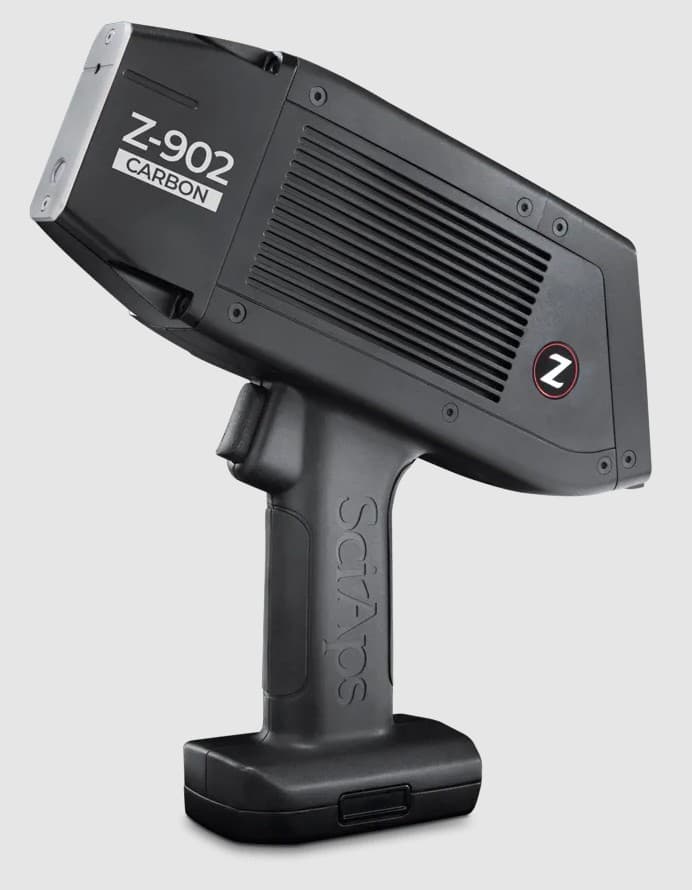
SciAps Z-902 Carbon LIBS

SciAps

SciAps Z-902 Carbon LIBS

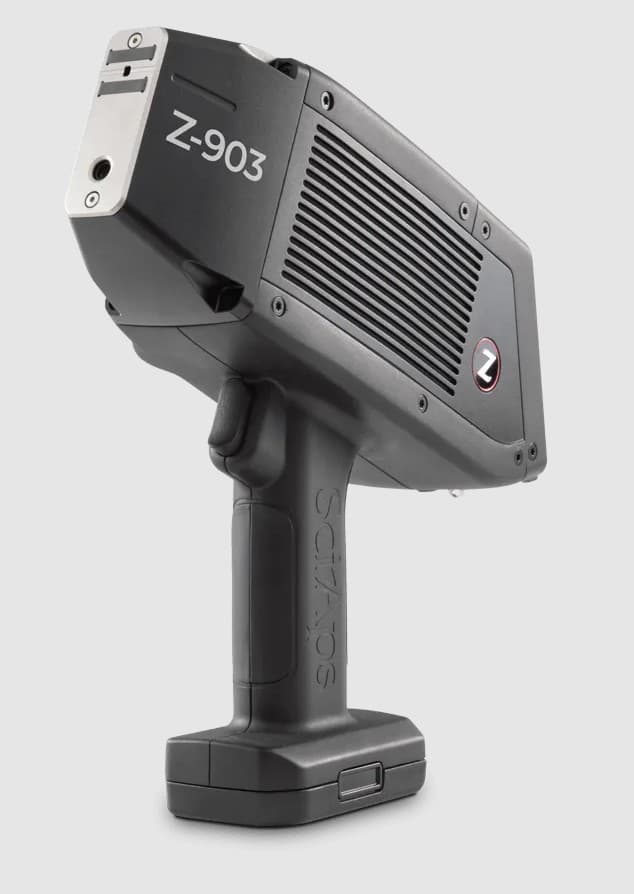
SciAps Z-903 Carbon LIBS

SciAps

SciAps Z-903 Carbon LIBS

Sectors

Industries served

  • Oil & Gas
  • Refining
  • Power Generation
  • Aerospace
  • Manufacturing
  • Scrap & Recycling
Need it tomorrow?

We probably have it on the shelf — calibrated and ready to ship.

Call the warehouse directly or send us a quote request and we'll come back same-day with pricing and ship dates.